15 Sustainable Fashion Brands You Need to Know in 2026
Fashion doesn’t have to cost the earth – literally. In 2026, sustainable fashion is no longer a niche market; it’s a growing movement that proves you can look amazing while making ethical choices.
But here’s the truth: navigating the world of sustainable fashion can be overwhelming. Greenwashing is real, and not all brands that claim to be “eco-friendly” actually walk the talk. That’s why I’ve done the research for you.
These 15 sustainable fashion brands are the real deal – they’re transparent about their practices, committed to ethical production, and create clothes you’ll actually want to wear. Best of all, there are options for every budget.
Let’s dive into the brands that are changing the fashion industry for the better.
What Makes a Brand Sustainable?
Before we get to the list, let’s clarify what we mean by “sustainable fashion.”
True sustainable fashion brands typically:
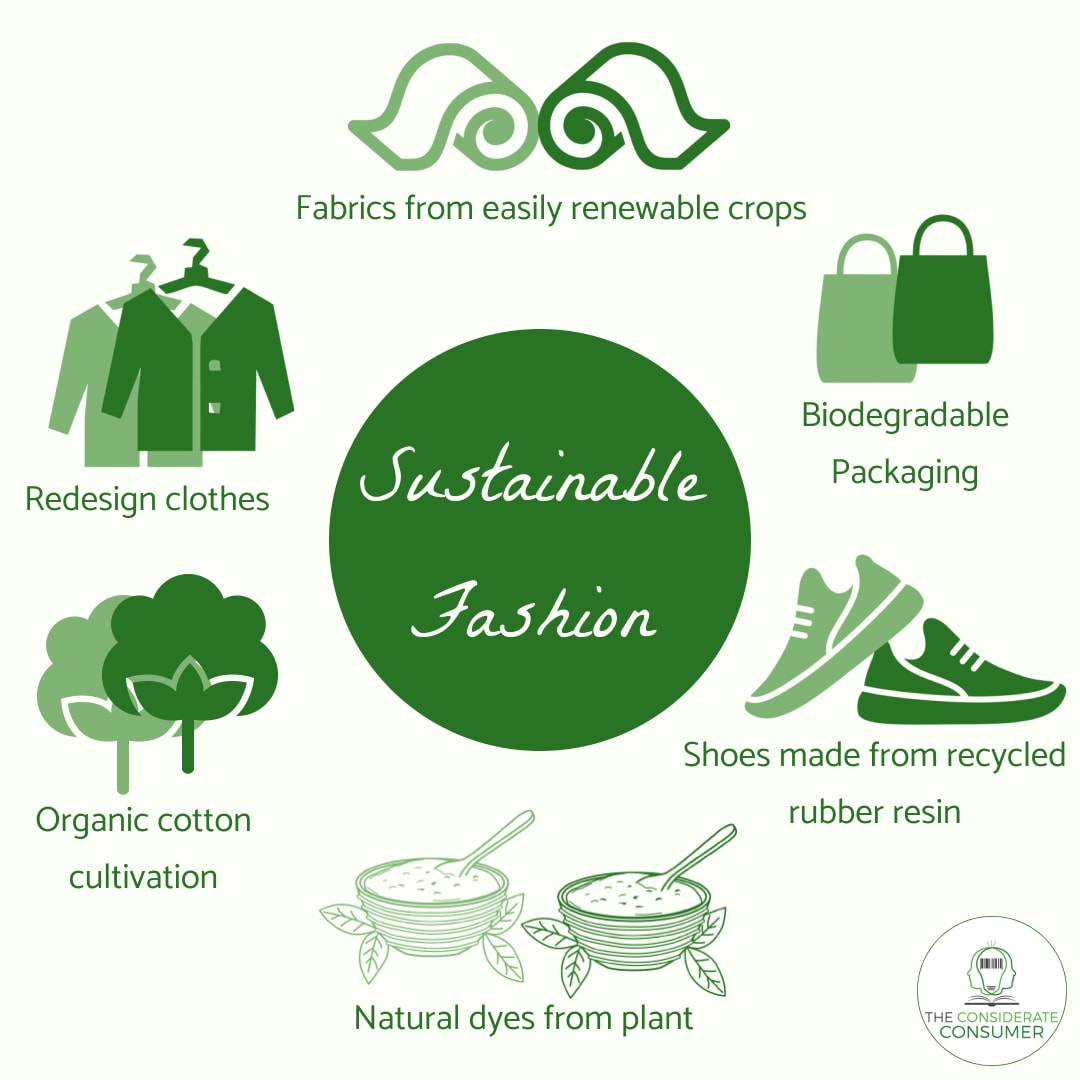
- Use eco-friendly materials (organic cotton, recycled fabrics, natural fibers)
- Have fair labor practices and pay living wages
- Minimize waste in production
- Use less water and energy in manufacturing
- Have transparent supply chains
- Create durable, long-lasting products
- Offer repair services or take-back programs
- Use minimal, recyclable packaging
Watch Out for Greenwashing: Not every brand with a “conscious collection” is truly sustainable. Look for:
- Third-party certifications (Fair Trade, GOTS, B Corp, etc.)
- Detailed information about manufacturing processes
- Transparency about factory locations
- Specific environmental impact data
- Clear labor practices policies
Now, let’s explore the brands that are getting it right.
AFFORDABLE SUSTAINABLE BRANDS ($-$$)
1. Everlane
Price Range: $30-$200
Best For: Basics, workwear, cashmere
Sustainability Highlights:
- Radical transparency in pricing and production
- Ethical factories with fair wages
- Uses sustainable materials (organic cotton, recycled polyester)
- Carbon-neutral shipping
- ReNew collection made from recycled plastic bottles
What to Buy:
- The Modern Boyfriend Jean ($78) – Made in ethical factories, classic fit
- The Cashmere Crew ($100) – Grade-A cashmere at incredible price
- The Day Heel ($150) – Italian-made, comfortable and chic
- The ReNew Long Puffer ($198) – Made from 33 recycled plastic bottles
Why We Love It:
Everlane pioneered transparent pricing, showing you exactly what each item costs to make. They list every factory they work with and conduct regular audits. Their basics are timeless, well-made, and reasonably priced.
Sustainability Score: ⭐⭐⭐⭐ (4/5)
2. Pact
Price Range: $20-$80
Best For: Basics, loungewear, underwear
Sustainability Highlights:
- 100% organic cotton
- Fair Trade Certified factories
- Carbon-neutral shipping
- Uses low-impact dyes
- Affordable sustainable basics
What to Buy:
- Organic Cotton Tees ($24) – Soft, durable, perfect basics
- Organic Cotton Underwear (3-pack $25) – Comfortable everyday essentials
- Organic Cotton Leggings ($35) – Great for yoga or lounging
- Sleep Shirts ($28) – Breathable organic cotton
Why We Love It:
Pact makes sustainable living accessible. Their prices are competitive with fast fashion, but the quality and ethics are worlds apart. Everything is certified organic and Fair Trade.
Sustainability Score: ⭐⭐⭐⭐⭐ (5/5)
3. Thought Clothing
Price Range: $50-$150
Best For: Dresses, knitwear, feminine styles
Sustainability Highlights:
- Uses natural, sustainable materials (hemp, bamboo, organic cotton)
- Slow fashion approach
- Ethical manufacturing
- Beautiful, timeless designs
- Transparent supply chain
What to Buy:
- Bamboo Jersey Dresses ($75) – Soft, drapes beautifully, sustainable
- Organic Cotton Knits ($90) – Cozy and eco-friendly
- Hemp Pants ($95) – Durable, breathable, low-impact
- Tencel Blouses ($85) – Sustainable fabric, elegant styles
Why We Love It:
Thought creates beautiful clothes that don’t look like “eco fashion.” Their pieces are feminine, well-designed, and made from innovative sustainable materials. The quality is excellent for the price.
Sustainability Score: ⭐⭐⭐⭐⭐ (5/5)
4. Girlfriend Collective
Price Range: $30-$100
Best For: Activewear, loungewear
Sustainability Highlights:
- Made from recycled plastic bottles (79% recycled polyester)
- Uses recycled fishing nets for some styles
- Inclusive sizing (XXS-6XL)
- Ethical factories in Vietnam
- Take-back recycling program
- Transparent about every step of production
What to Buy:
- Compressive High-Rise Leggings ($78) – Made from 25 recycled bottles
- Float Seamless Sports Bra ($48) – Made from 11 recycled bottles
- Paloma Bra ($38) – Comfortable, sustainable everyday bra
- Boyfriend Shorts ($38) – Perfect for workouts or lounging
Why We Love It:
Girlfriend Collective proves sustainable activewear can be both functional and affordable. Their leggings are squat-proof, comfortable, and rival luxury activewear brands. Plus, their size inclusivity is industry-leading.
Sustainability Score: ⭐⭐⭐⭐⭐ (5/5)
5. Reformation
Price Range: $100-$400
Best For: Dresses, special occasions, trendy pieces
Sustainability Highlights:
- Carbon-neutral company
- Uses sustainable fabrics (deadstock, Tencel, organic cotton)
- Publishes detailed sustainability reports
- Water-efficient manufacturing
- RefScale tracks environmental impact of each garment
- Transparent supply chain
What to Buy:
- Casual Dresses ($148-$218) – Flattering, on-trend styles
- Jeans ($128) – Sustainable denim, great fits
- Wedding Guest Dresses ($248-$328) – Elegant, photo-ready
- Jumpsuits ($198) – Effortless chic
Why We Love It:
Reformation makes sustainable fashion sexy and trendy. Their pieces are Instagram-worthy, well-made, and actually sustainable. They’re transparent about their environmental impact and constantly improving.
Sustainability Score: ⭐⭐⭐⭐ (4/5)
MID-RANGE SUSTAINABLE BRANDS ($$-$$$)
6. Eileen Fisher
Price Range: $100-$500
Best For: Minimalist workwear, timeless pieces
Sustainability Highlights:
- Vision 2020 initiative: sustainable materials in all products
- Take-back program (Renew)
- Fair Trade Certified
- Organic fibers and recycled materials
- Transparent supply chain
- Zero waste goal
What to Buy:
- System Pieces ($150-$300) – Mix-and-match capsule items
- Organic Cotton Basics ($88-$158) – High-quality essentials
- Recycled Cashmere ($298-$398) – Luxury meets sustainability
- Renew Collection – Restyled secondhand pieces at lower prices
Why We Love It:
Eileen Fisher’s timeless, minimalist designs never go out of style. Their take-back program is one of the best in the industry – they’ll take back your old Eileen Fisher clothes, clean and repair them, and resell them. Talk about circular fashion!
Sustainability Score: ⭐⭐⭐⭐⭐ (5/5)
7. People Tree
Price Range: $60-$200
Best For: Feminine dresses, prints, boho style
Sustainability Highlights:
- Pioneer of Fair Trade fashion (since 1991)
- 100% Fair Trade certified
- Organic cotton and eco-friendly materials
- Hand-crafted in Fair Trade groups
- Transparent supply chain
- Supports artisan communities
What to Buy:
- Printed Dresses ($95-$145) – Beautiful patterns, ethical production
- Organic Cotton Tops ($65-$85) – Comfortable, stylish basics
- Fair Trade Accessories ($35-$95) – Handcrafted by artisans
- Knitwear ($115-$165) – Cozy and consciously made
Why We Love It:
People Tree was doing sustainable fashion before it was trendy. Their commitment to Fair Trade is unwavering, and they work directly with artisan groups in developing countries. The prints and patterns are gorgeous and unique.
Sustainability Score: ⭐⭐⭐⭐⭐ (5/5)
8. Kotn
Price Range: $40-$150
Best For: Egyptian cotton basics, simple designs
Sustainability Highlights:
- Direct trade with Egyptian cotton farmers
- Builds schools in cotton-farming communities
- Transparent pricing
- Uses only Egyptian cotton (sustainable when direct trade)
- Ethical manufacturing
- Zero middlemen
What to Buy:
- Egyptian Cotton Tees ($40) – Incredibly soft, durable
- Button-Down Shirts ($88) – Classic, versatile
- Sweatshirts ($98) – Cozy, high-quality
- Loungewear ($68-$128) – Comfortable luxury
Why We Love It:
Kotn’s direct trade model ensures farmers get fair wages while you get incredible quality Egyptian cotton. Their social impact program has built schools in farming communities. Simple, beautiful basics done right.
Sustainability Score: ⭐⭐⭐⭐ (4/5)
9. Patagonia
Price Range: $50-$300
Best For: Outdoor gear, casual wear, outerwear
Sustainability Highlights:
- 1% for the Planet member (donates 1% of sales)
- Uses recycled and organic materials
- Fair Trade Certified factories
- Worn Wear program (repair and resale)
- B Corp certified
- Carbon neutral since 2019
- Actively fights climate change
What to Buy:
- Better Sweater ($139) – Made from recycled polyester
- Down Jackets ($229-$379) – Warm, sustainable, lifetime guarantee
- Organic Cotton Tees ($45) – Comfortable, ethical basics
- Baggies Shorts ($55) – Made from recycled nylon
Why We Love It:
Patagonia walks the walk. They encourage you to buy used, repair your gear, and even sued the Trump administration to protect national monuments. Their products are built to last forever, with free repairs. True sustainability leaders.
Sustainability Score: ⭐⭐⭐⭐⭐ (5/5)
10. Cuyana
Price Range: $50-$450
Best For: Leather goods, minimalist pieces
Sustainability Highlights:
- “Fewer, Better” philosophy
- Sustainable materials (organic cotton, recycled cashmere)
- Leather Collective (takes back old leather goods)
- Ethical manufacturing
- Transparent supply chain
- Quality over quantity focus
What to Buy:
- Classic Leather Tote ($175) – Timeless, durable investment
- Recycled Cashmere ($145-$228) – Soft, sustainable luxury
- Silk Tops ($148) – Elegant, versatile
- Leather Accessories ($75-$195) – Well-made essentials
Why We Love It:
Cuyana’s “Fewer, Better” philosophy aligns perfectly with sustainable living. They create timeless pieces designed to last years, not seasons. Their Leather Collective program takes back old leather goods to recycle into new products.
Sustainability Score: ⭐⭐⭐⭐ (4/5)
LUXURY SUSTAINABLE BRANDS ($$$-$$$$)
11. Stella McCartney
Price Range: $300-$2,000+
Best For: Designer fashion, luxury pieces
Sustainability Highlights:
- Vegetarian and cruelty-free (no leather, fur, or feathers)
- Uses innovative sustainable materials
- Circular economy approach
- B Corp certified
- Transparent supply chain
- Pioneering sustainable luxury
What to Buy:
- Falabella Bag ($995) – Vegan leather, iconic design
- Sustainable Dresses ($795-$1,495) – High fashion meets ethics
- Vegan Shoes ($595-$895) – Cruelty-free luxury
- Organic Cotton Pieces ($395-$795) – Designer quality, sustainable
Why We Love It:
Stella McCartney has been a sustainable luxury pioneer since 2001. She proves that high fashion doesn’t need animal products or exploitation. Her innovations in sustainable materials influence the entire industry.
Sustainability Score: ⭐⭐⭐⭐⭐ (5/5)
12. Veja (Shoes)
Price Range: $100-$200
Best For: Sustainable sneakers
Sustainability Highlights:
- Fair Trade rubber from Amazon rainforest
- Organic cotton from Brazil and Peru
- Transparent supply chain
- Fair wages for all workers
- Eco-friendly tanning process
- Recyclable packaging
- No advertising budget (invests in production instead)
What to Buy:
- V-10 Sneakers ($150) – Classic white sneaker, sustainable
- Esplar Sneakers ($120) – Minimalist design, eco-friendly
- Campo Sneakers ($150) – Versatile, ethical
- Condor Running Shoes ($165) – Performance meets sustainability
Why We Love It:
Veja makes the most ethical sneakers on the market. They work directly with rubber tappers and cotton farmers, ensuring fair wages and sustainable practices. The sneakers look great and last years.
Sustainability Score: ⭐⭐⭐⭐⭐ (5/5)
13. Nisolo
Price Range: $100-$400
Best For: Leather shoes and accessories
Sustainability Highlights:
- B Corp certified
- Ethical factories in Peru, Mexico, Kenya
- Living wages for all workers
- Carbon neutral shipping
- Pushes industry toward ethical practices
- Transparent impact reports
- Sustainable leather sourcing
What to Buy:
- Chukka Boots ($178) – Handcrafted, durable
- Leather Sandals ($128) – Summer staple, ethically made
- Classic Pumps ($158) – Professional, sustainable
- Leather Bags ($198-$318) – Quality investment pieces
Why We Love It:
Nisolo is fighting to change industry standards. They publish detailed sustainability reports and pay living wages. Their shoes are handcrafted by skilled artisans and built to last.
Sustainability Score: ⭐⭐⭐⭐⭐ (5/5)
14. Amour Vert
Price Range: $80-$250
Best For: California-casual style, everyday wear
Sustainability Highlights:
- Made in USA (California)
- Sustainable materials (Tencel, organic cotton, modal)
- Plants tree for every tee sold (partnership with American Forests)
- Zero waste philosophy
- Ethical manufacturing
- Transparent supply chain
What to Buy:
- Sustainable Tees ($68) – Soft, flattering, eco-friendly
- Tencel Dresses ($158-$198) – Comfortable, sustainable luxury
- Organic Cotton Basics ($78-$118) – Everyday essentials
- Modal Sweaters ($128-$168) – Cozy, sustainable
Why We Love It:
Amour Vert’s California-made clothes are effortlessly cool and sustainable. Their tree-planting program has planted millions of trees. The quality is excellent and the styles are timeless.
Sustainability Score: ⭐⭐⭐⭐ (4/5)
15. Organic Basics
Price Range: $30-$150
Best For: Underwear, basics, activewear
Sustainability Highlights:
- Certified organic cotton
- Recycled materials
- Carbon-neutral company
- Ethical factories in Europe
- Circular fashion approach
- Transparent about entire process
- Lifetime guarantee on some products
What to Buy:
- Organic Cotton Underwear ($35-$45) – Comfortable, sustainable essentials
- SilverTech Active Wear ($65-$95) – Antimicrobial, needs less washing
- Organic Cotton Bras ($45-$65) – Everyday comfort
- Recycled Wool Socks ($28) – Warm, durable
Why We Love It:
Organic Basics focuses on essentials – the pieces you wear every day. Their SilverTech line naturally resists odor, so you wash less (saving water). Everything is thoughtfully designed for longevity.
Sustainability Score: ⭐⭐⭐⭐⭐ (5/5)
How to Shop Sustainably on Any Budget
Start Small: You don’t need to replace your entire wardrobe overnight. Start with basics you wear most often.
Buy Less, Choose Well: One $150 sustainable piece that lasts 10 years is better than 10 $15 fast fashion pieces that last one season.
Calculate Cost Per Wear: Divide the price by how many times you’ll wear it. A $200 jacket worn 100 times = $2 per wear. A $30 shirt worn twice = $15 per wear.
Prioritize Impact: Focus on items with highest environmental impact:
- Cotton items (conventional cotton uses massive water and pesticides)
- Jeans (denim production is very water-intensive)
- Outerwear (you’ll wear it for years, make it sustainable)
- Shoes (leather production has high environmental cost)
Shop Secondhand First: The most sustainable piece is the one already made. Check thrift stores and online resale platforms before buying new.
Care for What You Own:
- Wash clothes less frequently
- Use cold water
- Air dry when possible
- Repair instead of replace
- Store properly
Certifications to Look For
GOTS (Global Organic Textile Standard):
Ensures organic fibers and ethical production
Fair Trade Certified:
Guarantees fair wages and safe working conditions
B Corp:
Company meets high standards of social and environmental performance
Bluesign:
Ensures responsible use of resources in textile production
OEKO-TEX:
Certifies textiles free from harmful chemicals
Cradle to Cradle:
Products designed for circular economy (recyclable/biodegradable)
The Real Cost of Fast Fashion
To understand why sustainable fashion matters, consider fast fashion’s impact:
Environmental:
- Fashion industry produces 10% of global carbon emissions
- Textile dyeing is world’s second-largest water polluter
- 85% of textiles end up in landfills each year
- 500,000 tons of microfibers (plastic) enter ocean annually from clothing
Human:
- Garment workers often earn less than living wage
- Unsafe working conditions
- Child labor in some factories
- Workers exposed to toxic chemicals
By choosing sustainable brands, you’re voting with your wallet for a better fashion industry.
Building a Sustainable Wardrobe
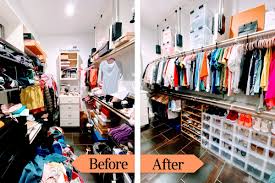
Step 1: Assess What You Have Before buying sustainable pieces, audit your current wardrobe. What do you already own that’s well-made and durable?
Step 2: Identify Gaps What do you actually need (not want)? Focus on filling real gaps with sustainable options.
Step 3: Set a Budget Sustainable fashion can fit any budget. Decide what you can invest.
Step 4: Research Brands Use this guide as a starting point, then dig deeper into brands that match your style and budget.
Step 5: Buy Mindfully Before purchasing, ask:
- Will I wear this 30+ times?
- Does it fit my lifestyle?
- Is it versatile?
- Is the quality worth the price?
- Do I love it?
Step 6: Care Properly Sustainable fashion lasts longer when you care for it properly.
Sustainable Fashion Myths Debunked
Myth 1: “Sustainable fashion is expensive.”
Reality: Brands like Pact and Thought offer sustainable basics at prices comparable to fast fashion. Plus, better quality means you buy less.
Myth 2: “Sustainable clothes aren’t stylish.”
Reality: Brands like Reformation and Amour Vert prove sustainable can be trendy and beautiful.
Myth 3: “One person can’t make a difference.”
Reality: Every purchase is a vote for the kind of world you want. Consumer demand drives industry change.
Myth 4: “I can’t afford to be sustainable.”
Reality: Shopping secondhand, caring for what you own, and buying less but better fits any budget.
Myth 5: “Sustainable brands are all the same.”
Reality: There’s incredible variety – from minimalist basics to bold prints, athletic to elegant, budget to luxury.
Your Sustainable Fashion Action Plan
This Month:
- Audit your current wardrobe
- Research 3-5 brands that match your style
- Identify one item to replace with sustainable option
- Set a budget for sustainable shopping
This Quarter:
- Make first sustainable purchase
- Learn proper care for sustainable fabrics
- Follow sustainable brands on social media for sales
- Donate or sell items you no longer wear
This Year:
- Replace 5-10 key items with sustainable options
- Build relationships with favorite sustainable brands
- Teach friends about sustainable fashion
- Track your progress and impact
Final Thoughts
Sustainable fashion isn’t about perfection – it’s about making better choices when you can. Every sustainable purchase is a step toward a more ethical, environmental fashion industry.
Remember:
- Progress over perfection – Do what you can, when you can
- Quality over quantity – Buy less, choose well
- Use what you have – The most sustainable piece is the one you already own
- Vote with your wallet – Support brands doing it right
- Spread the word – Share sustainable brands with friends
The fashion industry won’t change overnight, but it will change. And your choices matter.
Which sustainable brand are you most excited to try? Have you shopped any of these brands? Share your experience in the comments!
Related Posts:
- How to Build a Sustainable Capsule Wardrobe
- Thrift Store Shopping Guide: Finding Designer Pieces
- How to Care for Sustainable Fabrics
Disclosure: This post contains affiliate links. If you make a purchase through these links, I may earn a small commission at no additional cost to you. I only recommend brands I genuinely believe in and that meet my sustainability standards.